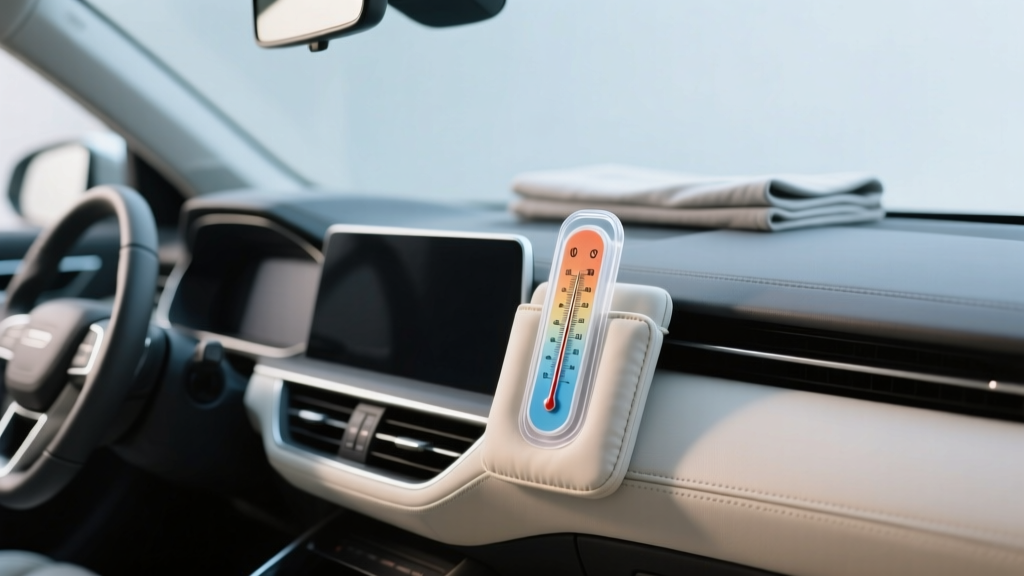
Thermometer Storage Protection: Seasonal Car Interior Tips
A small cabin thermometer can be one of the most useful ?tiny tools? in a vehicle. Whether you keep a compact digital unit in the glovebox for checking cabin comfort, store a probe-style thermometer for verifying vent temps, or rely on a battery-powered unit in an RV or overland rig, it helps you spot HVAC issues early and keep passengers comfortable. The problem is that thermometers?especially digital ones?don?t love the same seasonal extremes your car interior sees.
Summer heat can warp housings, leak batteries, and fade screens. Winter cold can slow LCD response, crack plastics, and cause condensation when you bring the device back into a warm cabin. Add in UV exposure, vibration, and occasional spills, and a ?simple? car thermometer can become inaccurate or fail when you need it most.
This guide walks you through seasonal thermometer storage protection: where to store it, how to prevent heat/cold and moisture damage, which features matter when buying a replacement, and how to avoid the common mistakes that ruin sensors. The goal is accuracy and longevity?without turning your glovebox into a science lab.
What Counts as a ?Car Thermometer? (and Why Storage Matters)
Drivers use different thermometer types inside vehicles, and each has its own weak points:
- Small digital cabin thermometers (LCD, coin-cell or AAA): Great for quick cabin readings; sensitive to heat, UV, and battery leakage.
- Probe thermometers (wired probe with a display): Useful for vent temperature testing; probe and cable can get kinked or crushed.
- Infrared (IR) temp guns: Excellent for checking dash, seat, or vent surface temperatures; sensitive optics and sensors don?t love high humidity or impacts.
- Analog dial thermometers: Often more heat-tolerant, but can drift over time and are easier to crack if tossed loose.
Seasonal thermometer storage protection matters because temperature swings affect:
- Accuracy: Extreme heat/cold can shift calibration or slow sensor response.
- Power: Batteries self-discharge faster in heat and deliver less power in cold.
- Durability: Plastic housings, LCD panels, and adhesives can degrade in direct sun.
- Moisture control: Condensation from rapid temperature changes can fog displays and corrode contacts.
Know Your Interior ?Microclimates?: Where Heat and Cold Hit Hardest
Your car interior doesn?t warm and cool evenly. Smart storage starts with choosing the least abusive location.
High-risk zones (avoid for long-term storage)
- Top of dashboard: Maximum UV and heat soak. Summer dash temps can exceed the ambient air temperature by a lot.
- Rear deck / parcel shelf: Similar to the dash?lots of sun, plus harsh glare that accelerates plastic aging.
- Door pockets: Frequent impacts (bottles, feet), more moisture from wet umbrellas, and temperature cycling.
- Center console cupholders: Spill risk and vibration.
Safer zones (better for thermometer storage)
- Glovebox: Lower UV exposure and typically more stable temps.
- Center console storage bin: Good protection from sun; just keep it away from liquids.
- Seatback organizer pocket: Convenient, but choose one that closes to reduce dust and impacts.
- Trunk side cubby (for IR guns and larger units): Less sun exposure; still consider cold temps in winter.
Real-world example: If you leave a small digital cabin thermometer suction-mounted to the windshield year-round, you?re combining the three worst offenders?UV, heat soak, and rapid temperature changes. Moving it into the glovebox during parking hours alone can dramatically improve its lifespan.
Season-by-Season Storage Protection Plan
Summer: Heat, UV, and battery safety
Heat is the #1 killer of small electronics left in vehicles. Your objective in summer is to minimize heat soak, prevent battery leakage, and keep the display out of UV.
- Store out of direct sunlight (glovebox or console) whenever parked.
- Remove alkaline batteries if the device won?t be used for a week or more in hot weather.
- Use lithium batteries for better heat tolerance and longer shelf life (more on this below).
- Avoid windshield mounts for storage. If you need a visible mount while driving, remove and stow after.
Winter: Cold performance and condensation control
Cold itself rarely ?kills? a thermometer outright, but it can make screens sluggish and create condensation when you bring the device into a warm cabin.
- Keep it in a closed compartment to slow temperature swings (glovebox/console).
- Let it acclimate before judging readings?especially LCD units.
- Prevent condensation by storing it with a small desiccant pack or in a zip pouch.
- Don?t seal in moisture: if it got wet (snow, slush), dry it fully before closing it in a case.
Spring/Fall: The ?swing seasons? that cause moisture problems
Rapid warm days and cool nights can create repeated condensation cycles?especially in humid climates. This is when corroded battery contacts and fogged screens show up.
- Inspect monthly for early battery leakage or corrosion.
- Refresh desiccant packs and clean compartments where moisture accumulates.
- Re-check calibration if you use the thermometer for diagnostics (like vent temp checks).
Step-by-Step: How to Store a Thermometer Safely in Your Car
Step 1: Choose the right storage spot
- Pick a location away from sunlight (glovebox or console bin).
- Make sure it?s not a spill zone (avoid cupholders and door pockets if possible).
- Confirm it won?t get crushed by other items (owner?s manuals, tools, cans).
Step 2: Protect it from impacts and vibration
- Place the thermometer in a small padded pouch or microfiber bag.
- If it?s a probe thermometer, coil the cable loosely (no tight bends at the probe base).
- Keep hard objects (coins, keys, tools) in a separate pocket.
Step 3: Manage batteries for the season
- If the thermometer uses alkaline AA/AAA and summer heat is intense, remove batteries when not in regular use.
- If you prefer leaving batteries installed, switch to lithium AA/AAA for better temperature tolerance.
- For coin-cell units, consider replacing the battery annually and avoid cheap off-brand cells that leak more often.
Step 4: Control moisture and condensation
- Add a silica gel pack to the pouch or storage compartment.
- If the unit was exposed to snow/rain, wipe it dry and let it sit unsealed indoors for a few hours before re-storing.
- Periodically clean the storage compartment to remove damp debris (napkins, tissues, old wipes).
Step 5: Quick accuracy check (especially for diagnostic use)
- At home, place the thermometer near a known reliable indoor thermometer for 15?20 minutes.
- Look for consistent offset (for example, always reading 2�F high).
- If your unit supports calibration offsets, adjust it; if not, note the offset or consider replacing the device.
Buying Guide: Features That Survive Car Interior Extremes
If you?re shopping for a replacement or upgrading, focus on durability and stability in automotive conditions. Here are features that actually matter for seasonal thermometer storage protection.
Temperature operating range
- Look for a wide operating range, especially if you park outdoors. Many basic LCD units struggle in very cold weather.
- If you use it for vent testing, you?ll also want a decent upper range and a sensor that responds quickly.
Display type and readability
- LCD: Common and efficient, but can get sluggish in cold and fade with UV exposure over time.
- LED: Often more visible and less cold-sensitive, but can use more power.
Battery type
- Lithium AA/AAA: Best all-around for temperature extremes and leak resistance.
- Alkaline: Fine for mild climates, but higher risk of leakage in hot storage conditions.
- Rechargeables: Convenient, but performance in cold varies by chemistry and quality.
Build quality details
- Solid battery door fit (loose doors allow moisture and vibration issues).
- Raised buttons and sealed seams help if the unit rides in a console with occasional spills.
- For IR thermometers, a protective case is a big plus for keeping dust off the lens.
Probe thermometer specifics (if you diagnose HVAC)
- Choose a probe cable that?s thick enough to resist kinks.
- Look for a probe tip designed for air temperature, not just surface contact.
- A backlit display helps when checking vent temps at night.
Product Recommendations: What Works Well for Car Owners
Rather than pushing one brand, these are proven types of products that fit real car use. Match the type to how you?ll use it.
1) Compact digital cabin thermometer (everyday comfort)
Best for: quick cabin checks, road trips, rear-seat comfort monitoring.
- Look for a model with a wide temperature range and a clear display.
- Skip permanent dash mounting if you live in hot, sunny areas?choose one that?s easy to stow.
2) Vent probe thermometer (HVAC troubleshooting)
Best for: diagnosing weak A/C, verifying heater performance, comparing left vs. right vent temperatures.
- Choose a fast-response probe and a display you can read without glare.
- Store it in a small hard case so the probe doesn?t get bent in the glovebox.
3) Infrared thermometer gun (surface temperature checks)
Best for: measuring dashboard heat, seat surface temps, checking defrost performance on glass surfaces, identifying hot spots.
- Pick one with a protective case and a known emissivity setting (or adjustable emissivity if you?re advanced).
- Keep it out of high humidity and avoid leaving it loose in the trunk where it can get knocked around.
Helpful accessories worth adding
- Small padded pouch: reduces impact damage and screen scratches.
- Silica gel packs: cheap condensation insurance for humid climates.
- Battery case: keeps spare batteries from shorting against coins/metal objects.
Common Mistakes That Ruin Thermometers in Car Interiors
- Leaving it on the dash full-time: UV and heat soak are brutal on LCDs and plastics.
- Ignoring battery leakage: one leaking alkaline battery can permanently damage contacts.
- Storing it loose with tools/coins: cracked screens and broken buttons happen fast.
- Tight-wrapping probe cables: repeated sharp bends cause internal wire breaks near the probe base.
- Trusting readings immediately after a temperature swing: you?ll chase ?phantom? HVAC problems if the device hasn?t acclimated.
- Sealing a damp device in a case: traps moisture, leading to fogging and corrosion.
Practical Use Cases: When a Stored Thermometer Saves the Day
- Road trip comfort check: A cabin thermometer helps you adjust vents and fan speed when rear passengers say it feels hotter than the front.
- Quick A/C health check: On a warm day, you can measure center vent temperature after a few minutes of driving to spot a weak system early.
- Heat management: An IR thermometer lets you see how hot your dashboard and steering wheel get in direct sun?useful for choosing a windshield shade and parking strategy.
- Winter warm-up reality: Tracking cabin temperature rise over time helps you understand whether your heater is performing normally or warming unusually slowly.
FAQ: Seasonal Thermometer Storage Protection
Should I leave my thermometer in the car year-round?
You can, but it depends on climate and the thermometer type. If summers are hot where you park, store it in the glovebox/console and consider removing alkaline batteries when it won?t be used for a while. For IR thermometers and probe kits, a case plus a shaded storage spot makes a big difference.
What batteries are best for thermometers stored in cars?
Lithium AA/AAA are usually the best choice for temperature extremes and leak resistance. Alkaline batteries are more likely to leak during long hot storage. Coin-cell batteries are generally stable, but quality matters?stick with reputable brands.
Why does my digital thermometer read ?wrong? right after I get in the car?
The sensor and housing need time to acclimate to cabin air. If the thermometer was sitting in a hot glovebox or cold trunk, it may take several minutes to stabilize. Airflow also matters?placing it directly in front of a vent can skew readings.
Can a windshield-mounted thermometer damage my interior?
The thermometer itself usually won?t damage trim, but suction mounts can leave marks, and adhesive pads can discolor plastics?especially in heat. The bigger issue is the thermometer?s lifespan: windshield/dash locations accelerate UV and heat damage.
How do I clean corroded battery contacts?
If corrosion is mild, remove batteries and gently clean contacts with a cotton swab and isopropyl alcohol. For heavier corrosion, a small amount of white vinegar can neutralize alkaline residue, followed by alcohol to dry. If the springs or contacts are badly eaten away, replacement is often more reliable than repair.
Is an IR thermometer accurate for checking A/C vent temperature?
IR thermometers read surface temperature, not air temperature. They?re great for dash/seat surfaces, but for vent air temperature you?ll get better results from a probe thermometer placed in the vent airflow.
Actionable Next Steps
- Move your thermometer storage to a low-UV, low-spill location (glovebox or console).
- Add a padded pouch and a silica gel pack for impact and moisture protection.
- Switch to lithium batteries (or remove alkalines during peak summer heat).
- Do a quick monthly check: screen clarity, battery contacts, and reading stability.
- If you use it for HVAC checks, keep a probe thermometer in a small case and avoid tight cable bends.
For more practical car interior care tips?from protecting plastics and screens to organizing glovebox essentials?explore the latest guides on carinteriormix.com.